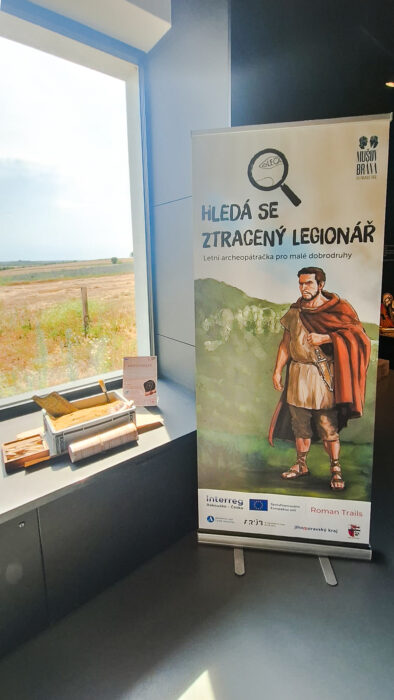
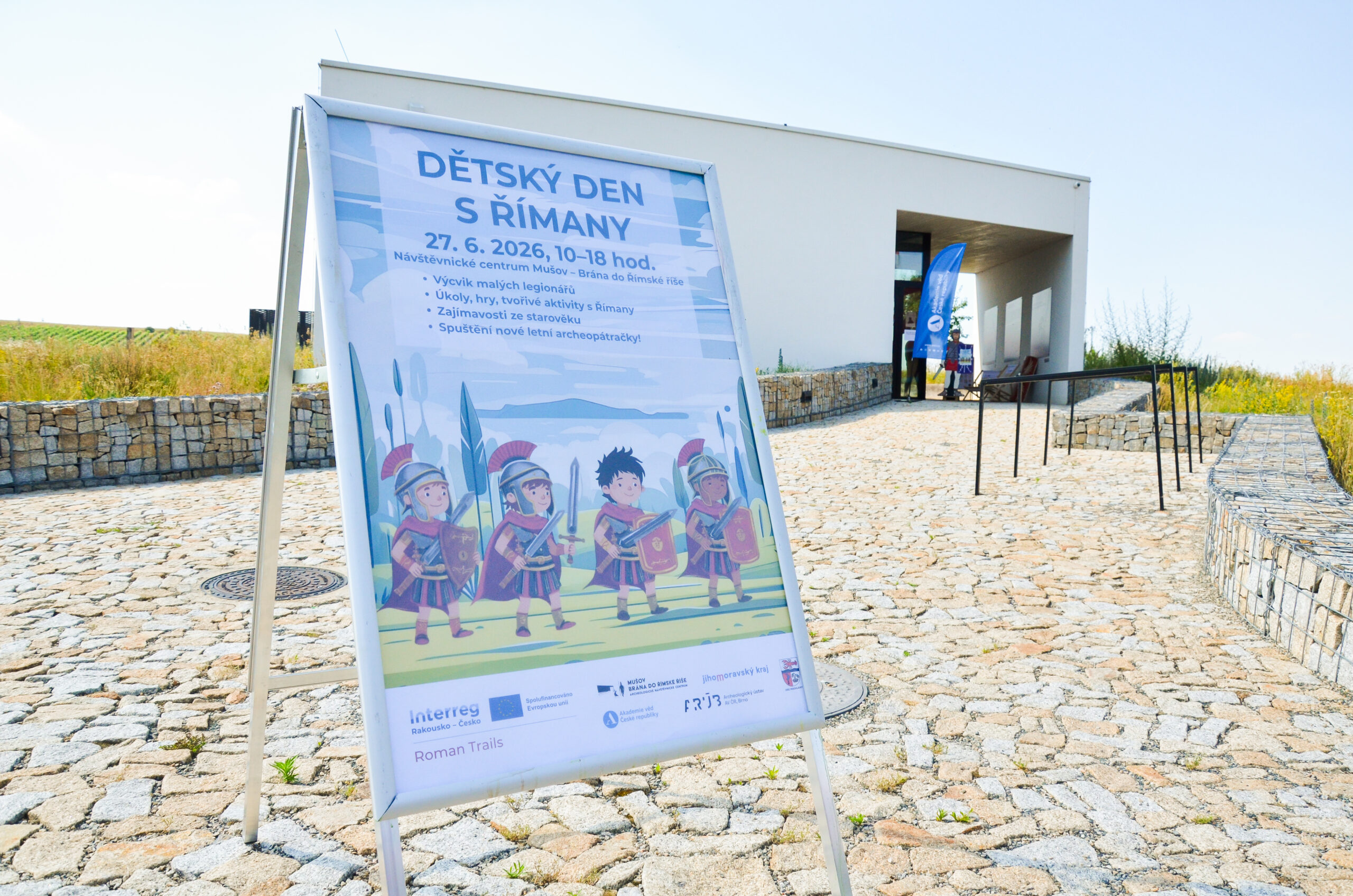
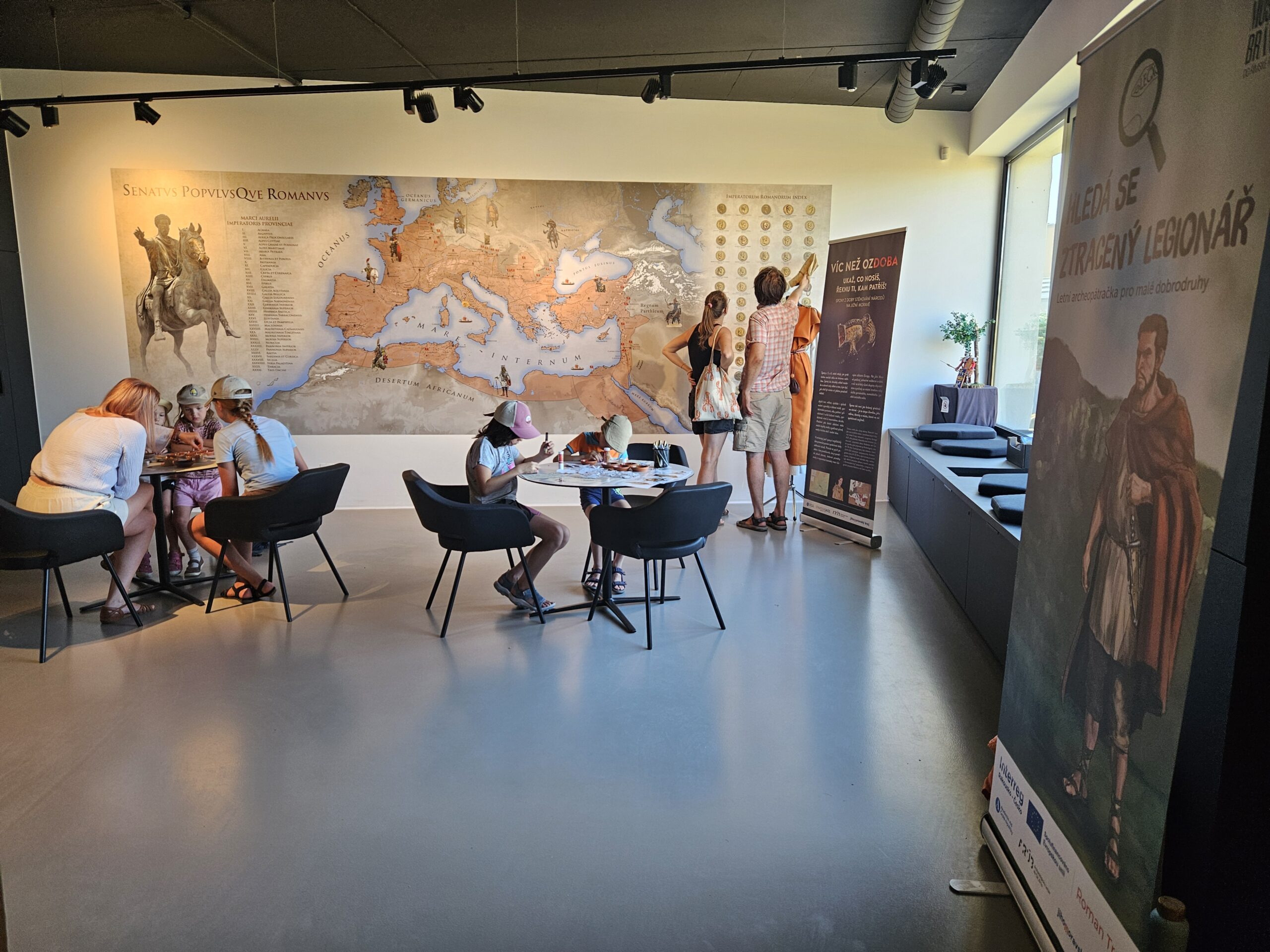
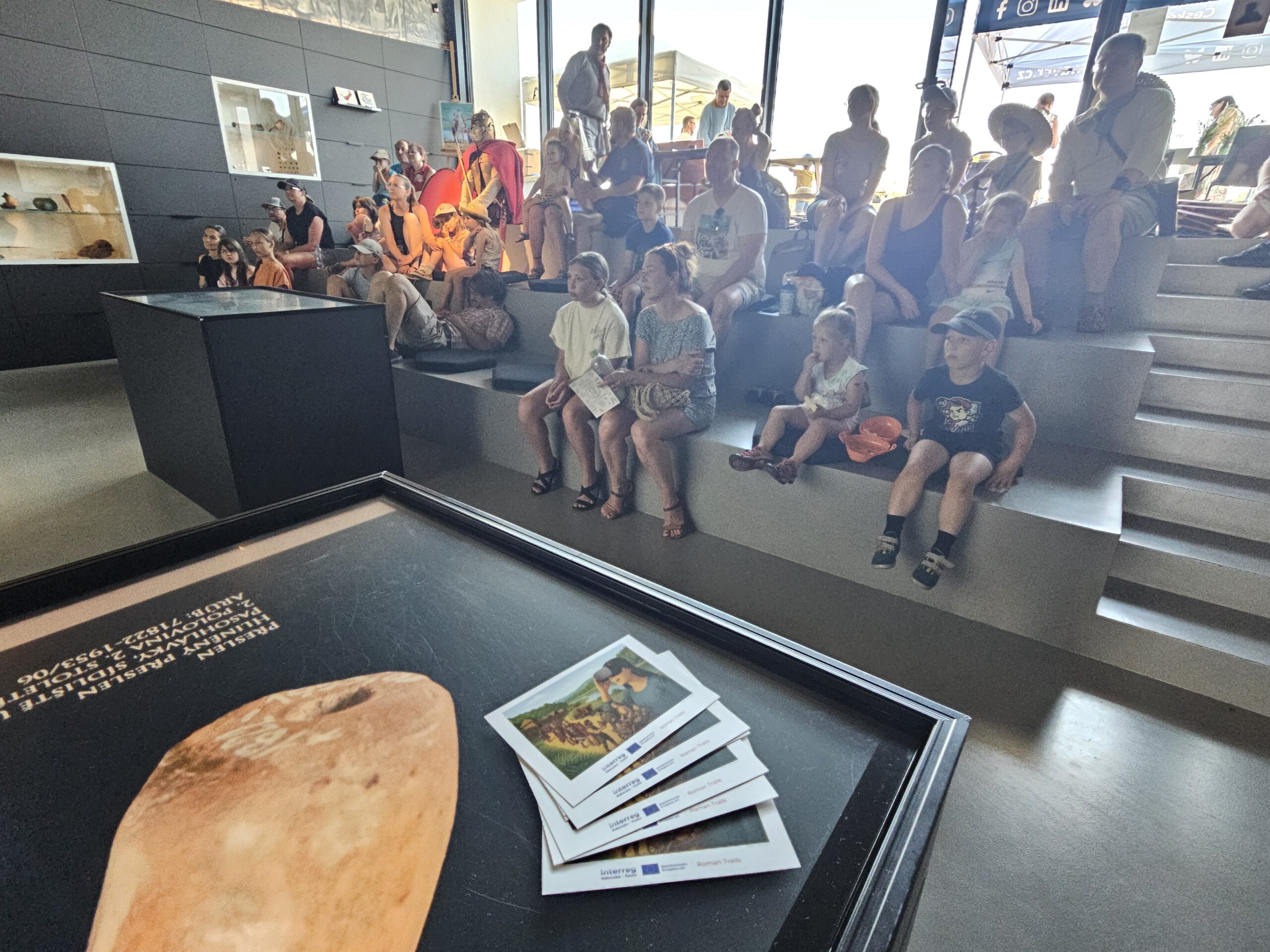
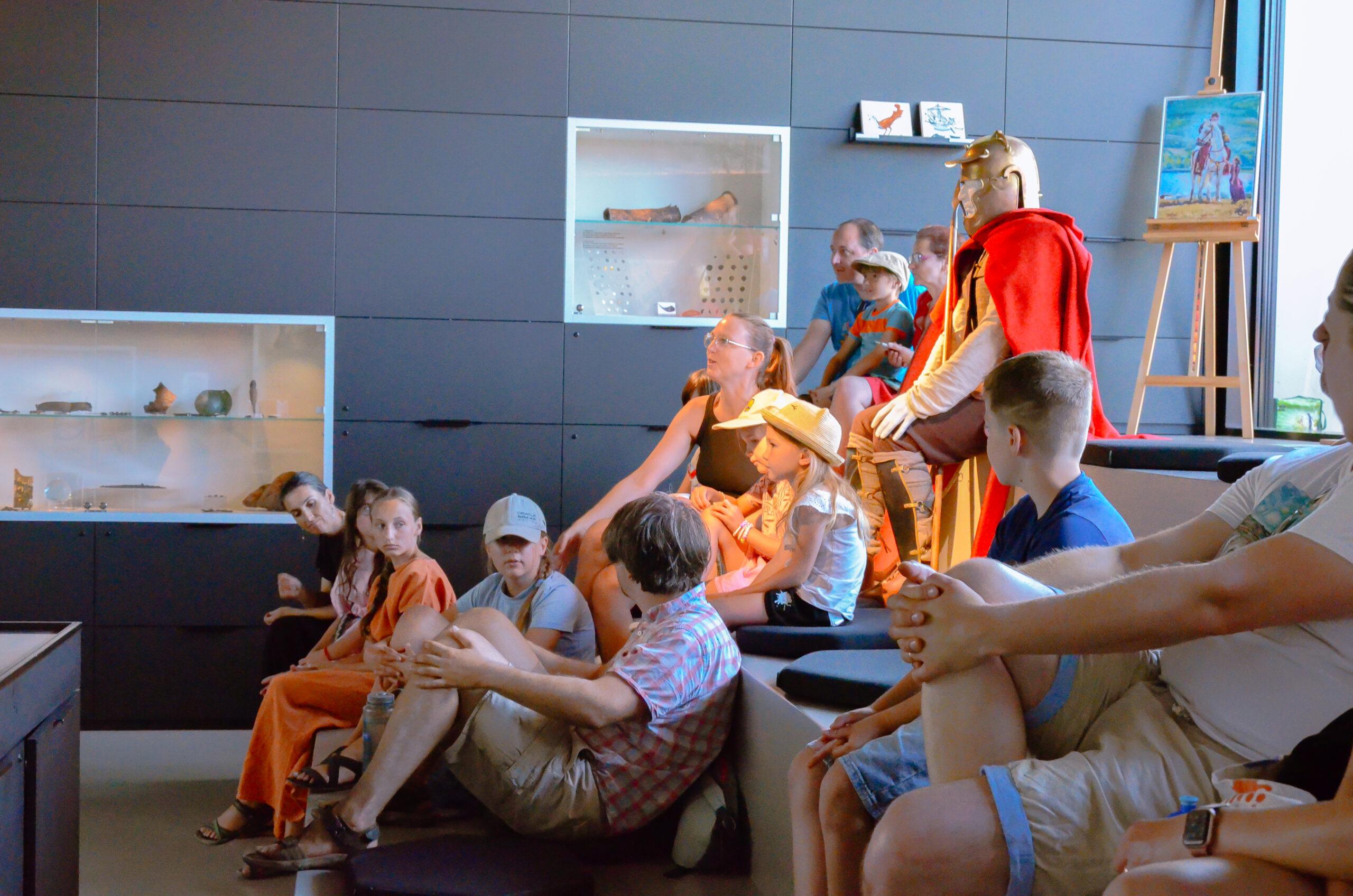
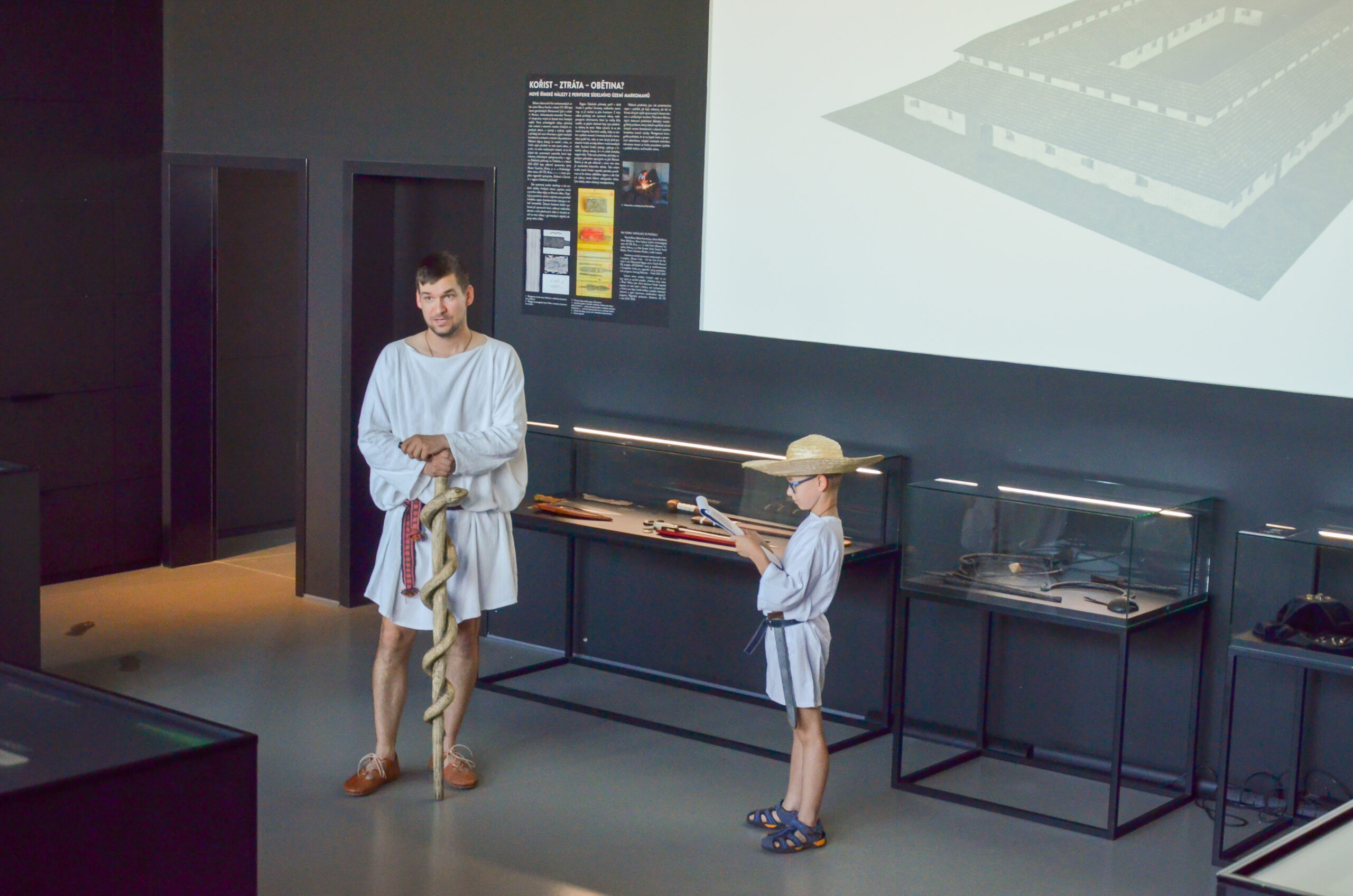
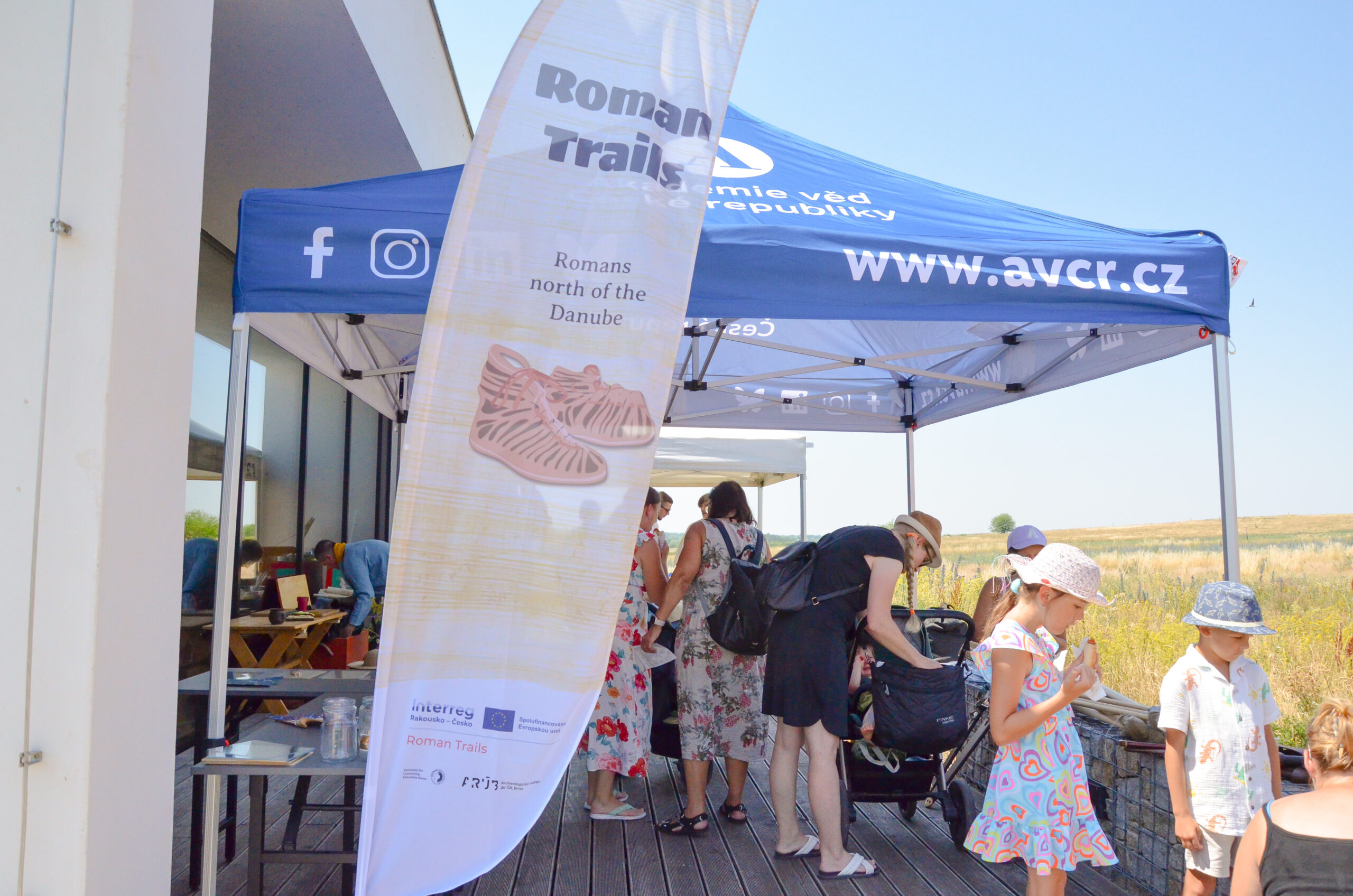
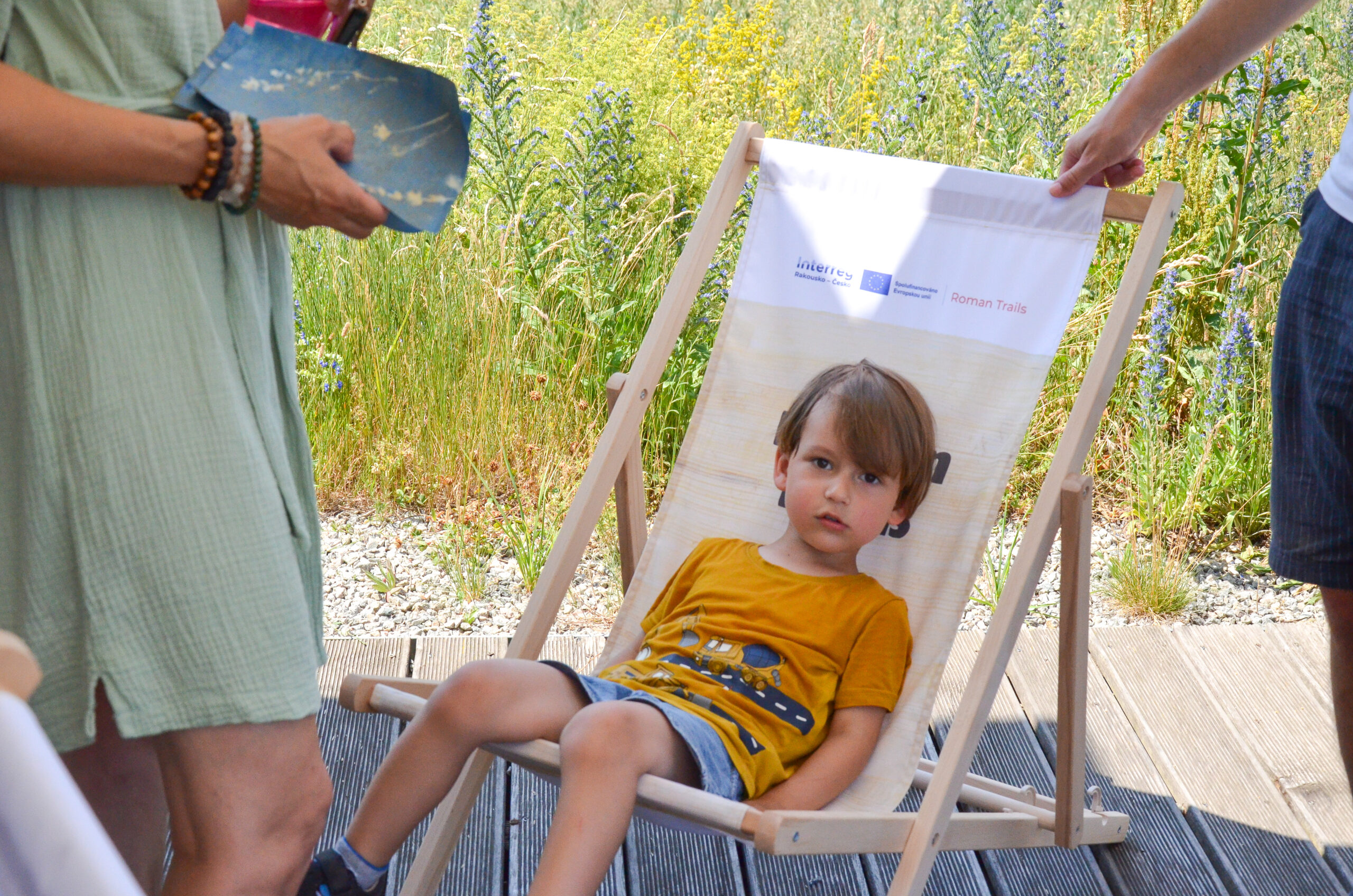
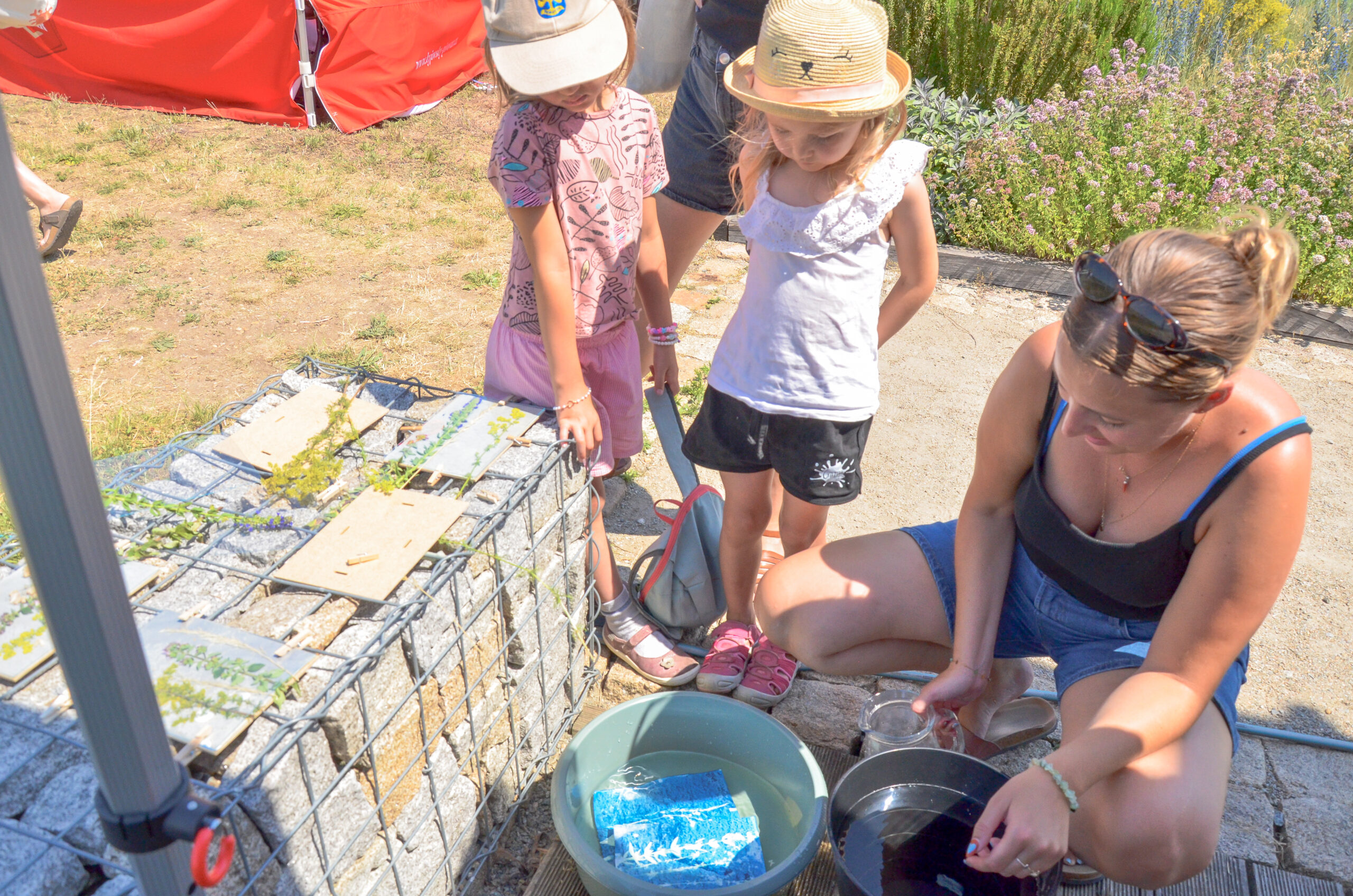
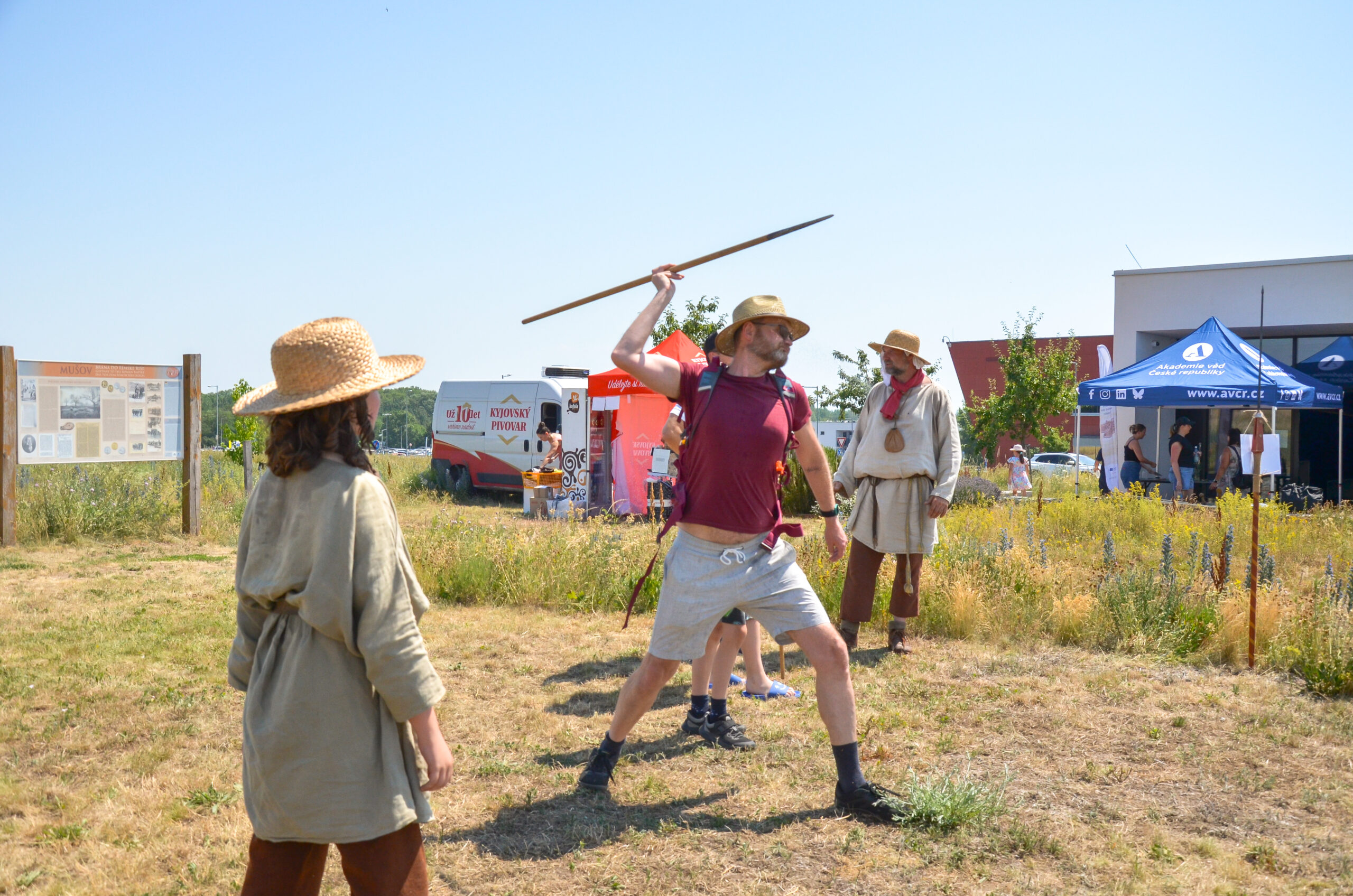
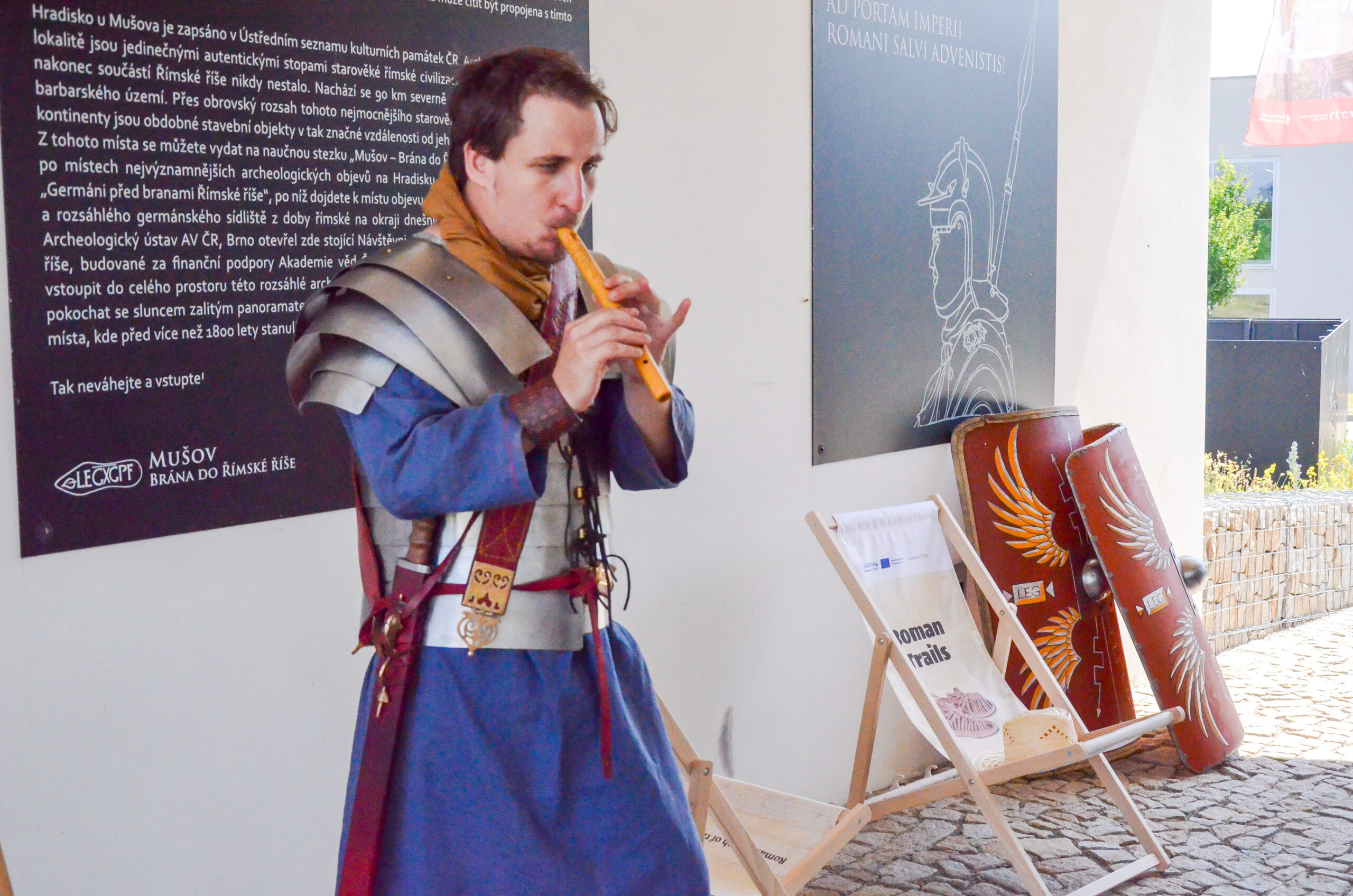
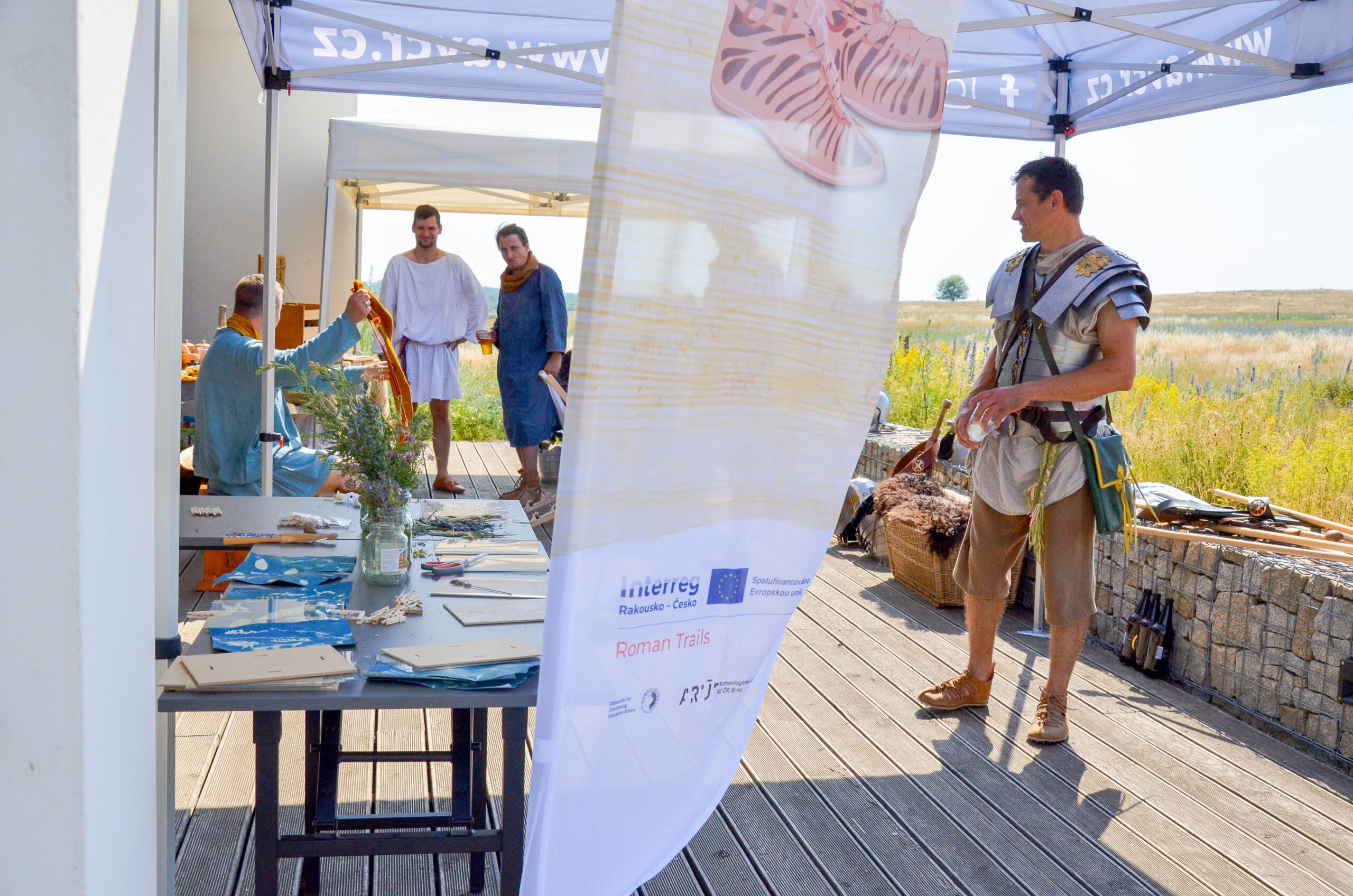
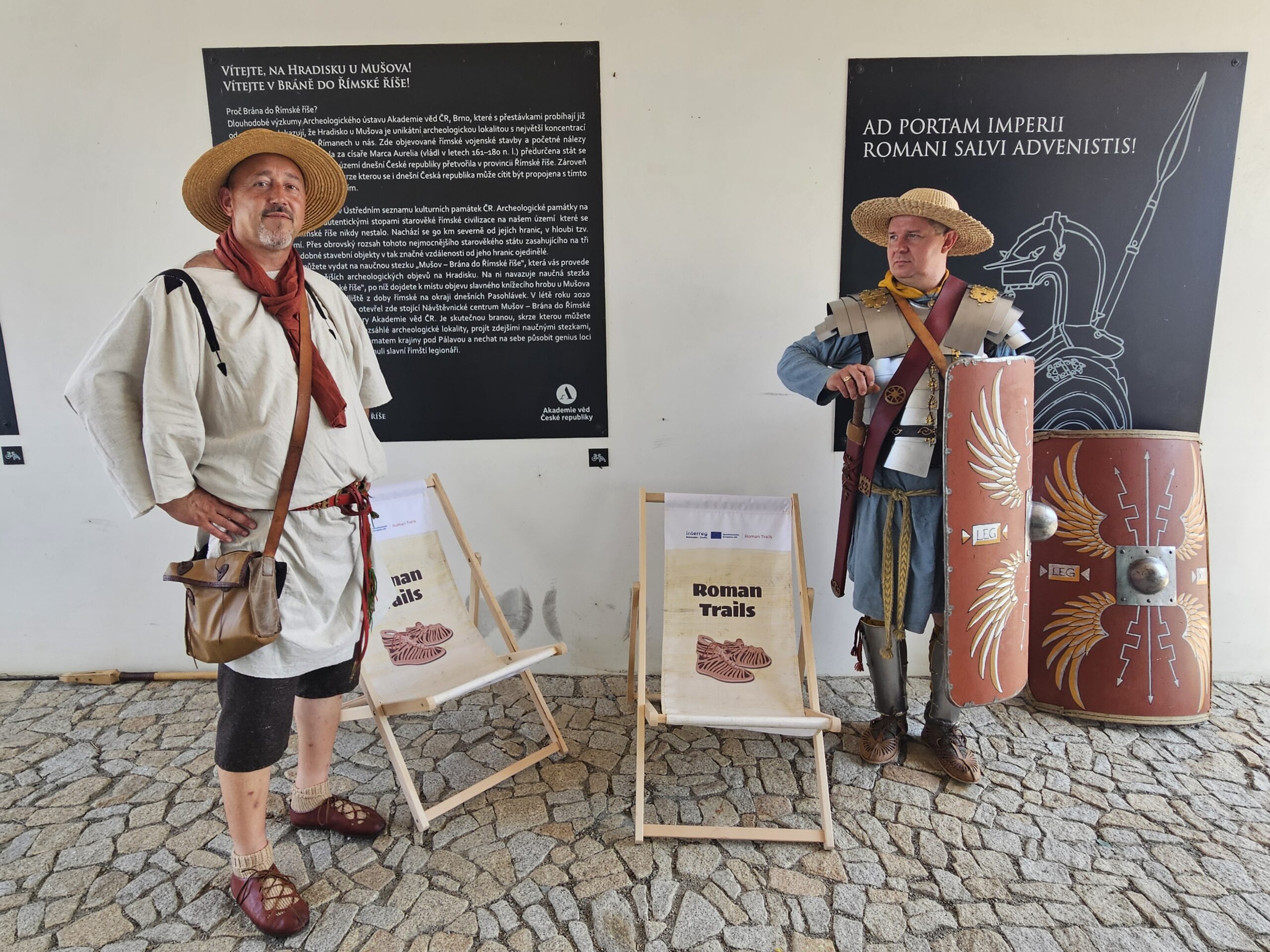
As part of the Children’s Day with the Romans program on June 27, 2026, a new summer archaeological scavenger hunt titled “In Search of the Lost Legionnaire” was launched at the Mušov Visitor Center – Gateway to the Roman Empire.
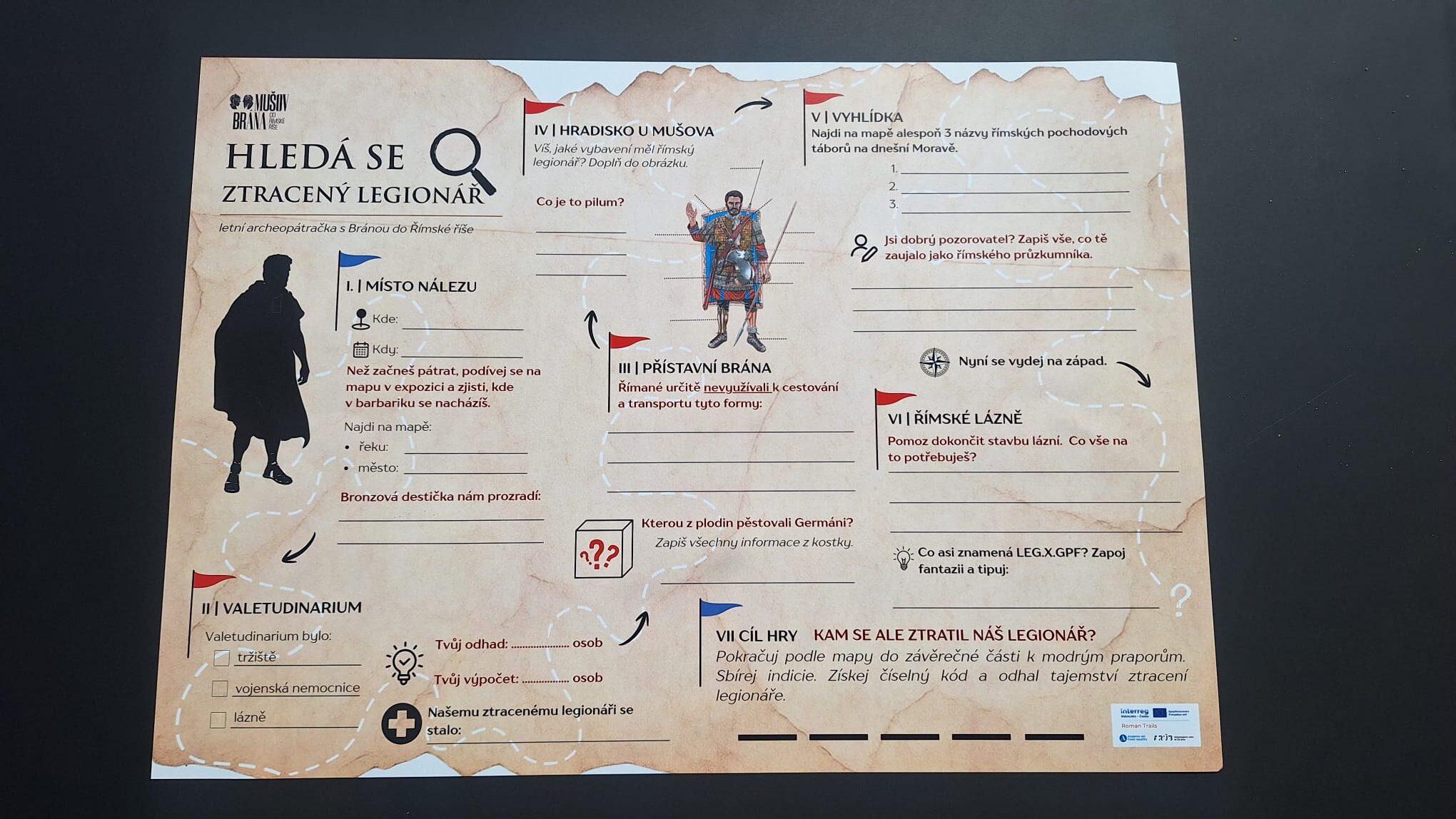
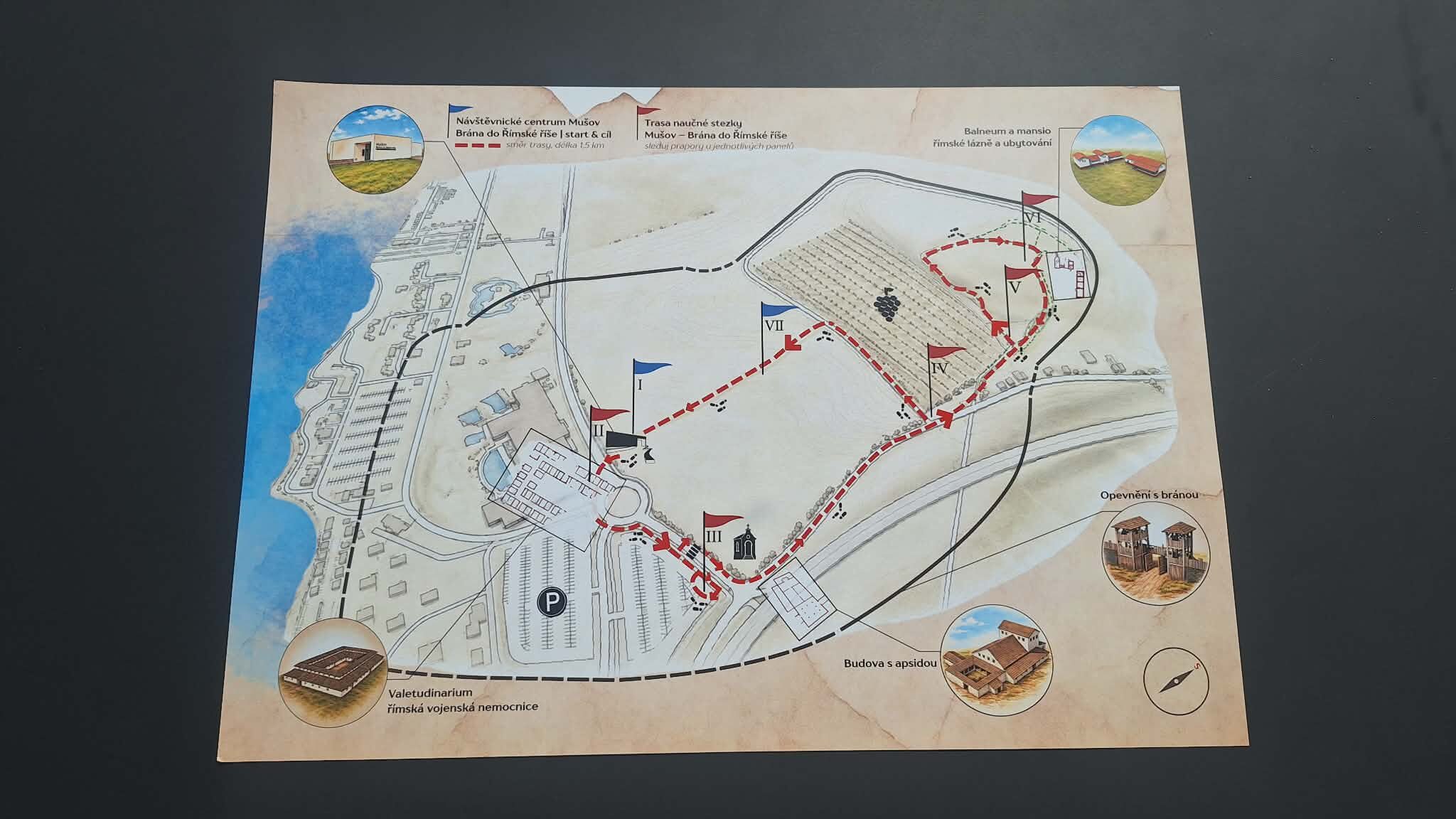
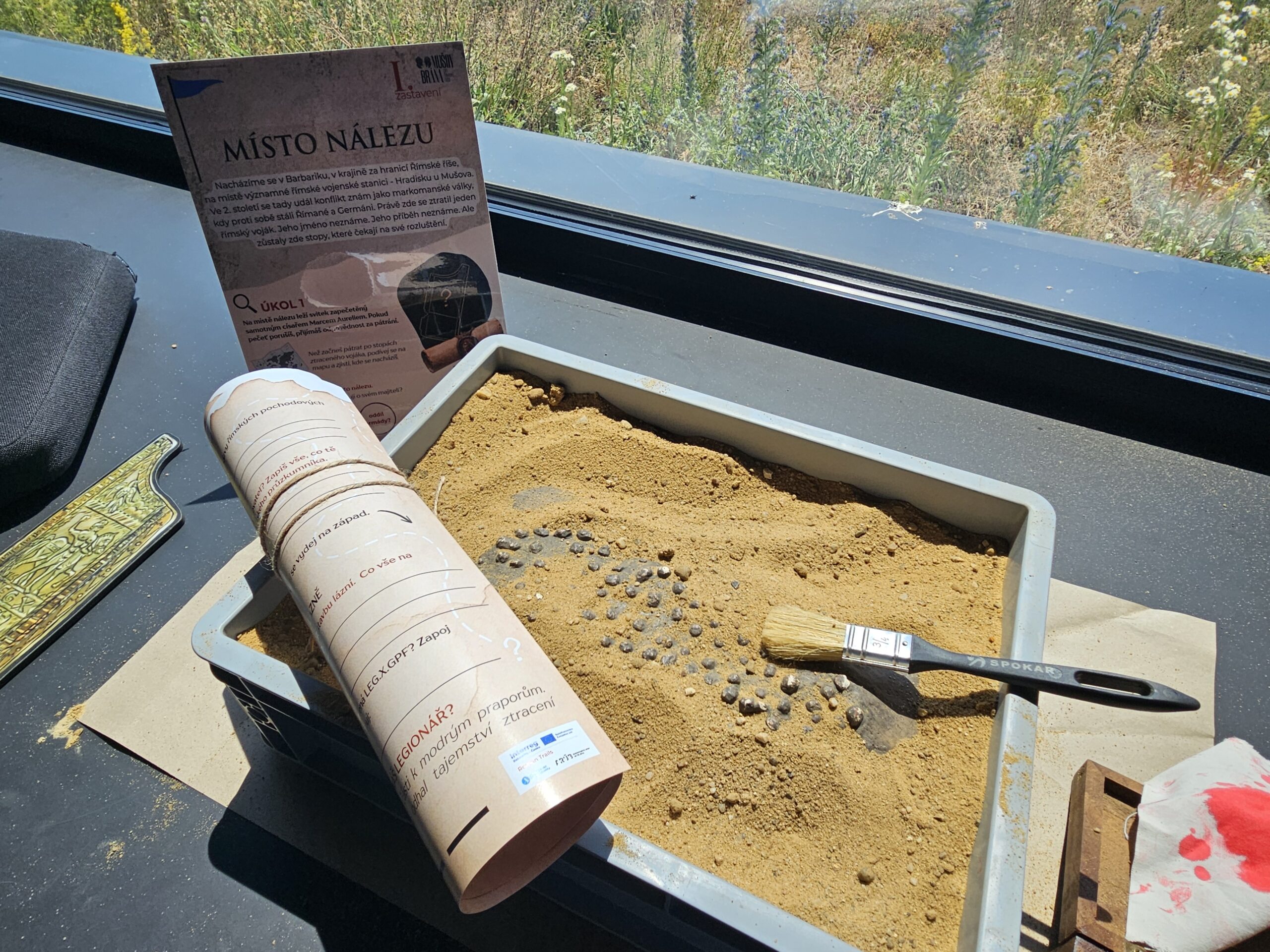
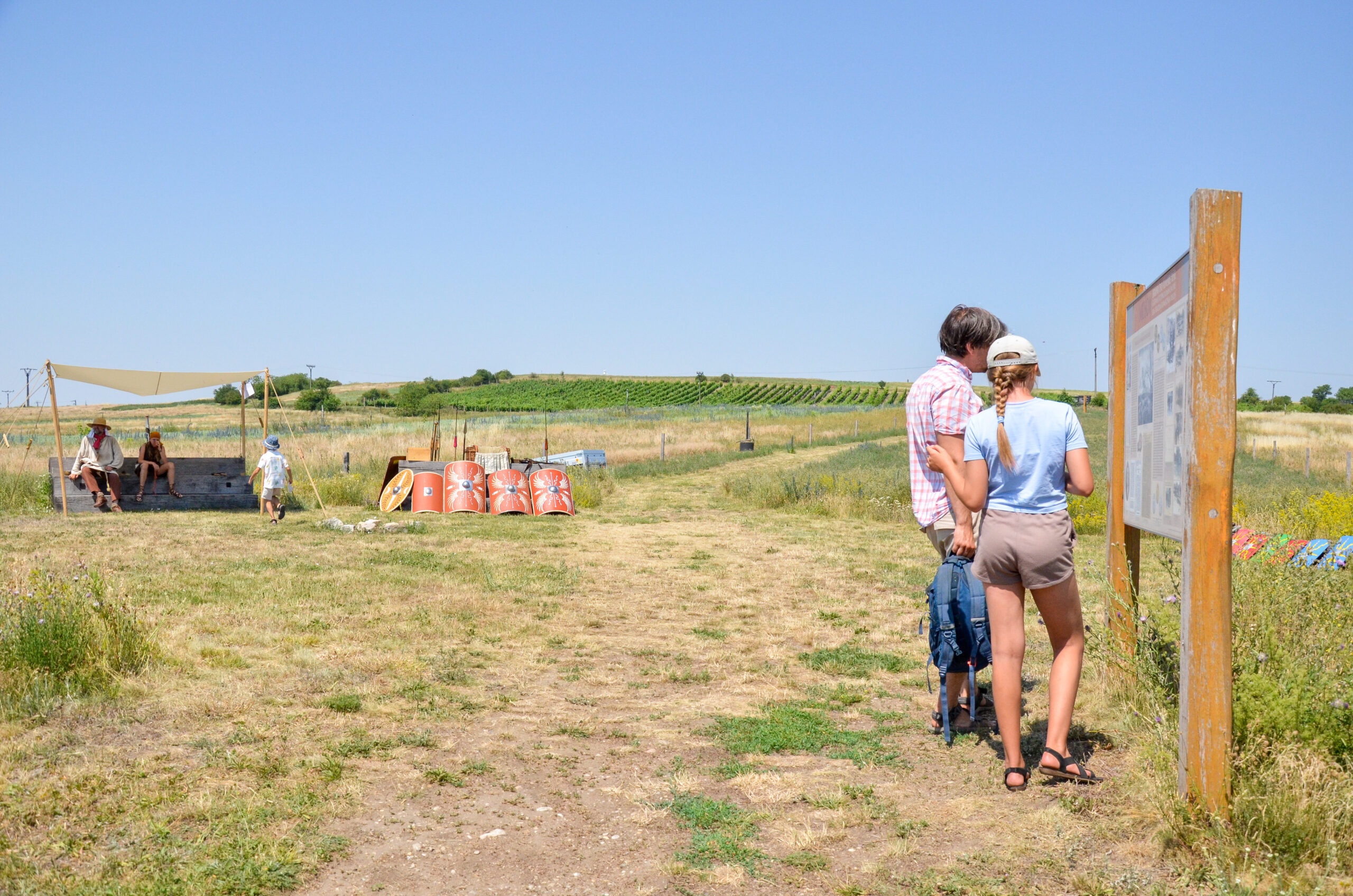
The activity is designed for children and families with children and guides visitors in a playful way through selected stops along the archaeological nature trail at Hradisko near Mušov. Participants set out in the footsteps of the Roman legionary Gaius Bruttus and, using a map, banners, clues, and hands-on tasks, gradually uncover his story.
During the search, children will learn about the Roman military presence in South Moravia, the significance of Hradisko u Mušova, and the daily life at a Roman military outpost during the Marcomannic Wars. The route takes them to the discovery site, a military hospital, the harbor gate, a military training area, a lookout point, and Roman baths. At each station, they’ll complete tasks focused on navigating the landscape, Roman medicine, supply chains, a legionary’s equipment, military formations, and how Roman baths functioned.
The treasure hunt concludes at the blue flags, where children will receive a numerical code to open a chest containing a message from the lost legionnaire. The activity combines a story-based game, interaction with educational panels, simple hands-on tasks, and learning about Roman heritage directly in the landscape.
The summer archaeological scavenger hunt “In Search of the Lost Legionnaire” was created as a pilot test activity in line with the objectives of the Roman Trails project. The scavenger hunt therefore allows us to use the real-world setting of Hradisko near Mušov to test game-based, interpretive, and visitor engagement principles that can subsequently be applied in the development and testing of the final Roman Trails routes. At the same time, we are testing how narrative elements, tasks at various stations, landscape orientation, visitor motivation, and the integration of the educational trail with experiential learning work. The experience gained and feedback received can thus serve as an important foundation for preparing the final version of the interactive Roman trails.